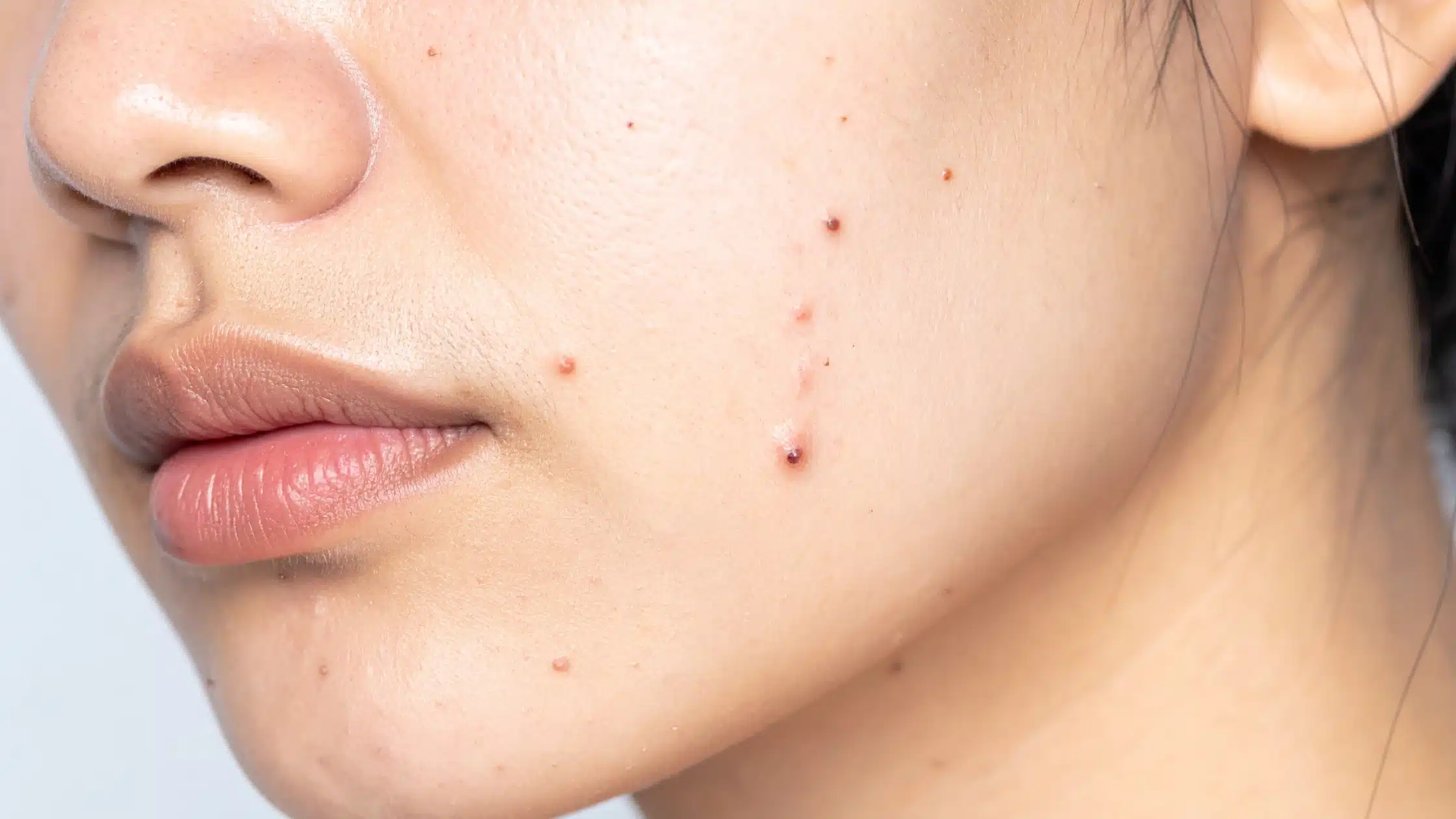
Pimples on face again and again can feel so frustrating! You wash your face. You try a new cream. You stop eating certain foods. Then just when one pimple starts to calm down, another one appears.
For many young girls and women, recurring pimples are not only a skin issue. They can affect confidence, mood, photos, social plans and even the way you feel when you look in the mirror.
But before blaming your skin, remember this: pimples are common, and they are not always caused by poor hygiene. Often, pimples happen because pores become blocked with oil, dead skin cells and bacteria. Hormones, stress, skincare products, sweat, makeup, diet patterns, sleep and genetics can all play a role too.
Clearer skin usually starts with understanding what is triggering your breakouts.
Why Do Pimples Keep Coming on the Face?
Pimples form when pores become blocked. Your skin naturally produces oil, also called sebum. When oil mixes with dead skin cells and gets trapped inside pores, it can lead to blackheads, whiteheads or inflamed pimples.
Hormones are one of the biggest reasons pimples come back. This is why many girls and women notice breakouts before periods, during teenage years, during stressful seasons or when hormonal changes happen in the body. Pimples around the chin and jawline are often linked with hormonal changes, although only a doctor can confirm the exact cause.
Stress can also make breakouts worse. And skincare habits matter too — heavy creams, oily makeup, sleeping with makeup on, using too many active ingredients or scrubbing the face harshly can irritate the skin and trigger more breakouts.
Sometimes, the problem is not that you are doing too little. It is that you are doing too much.
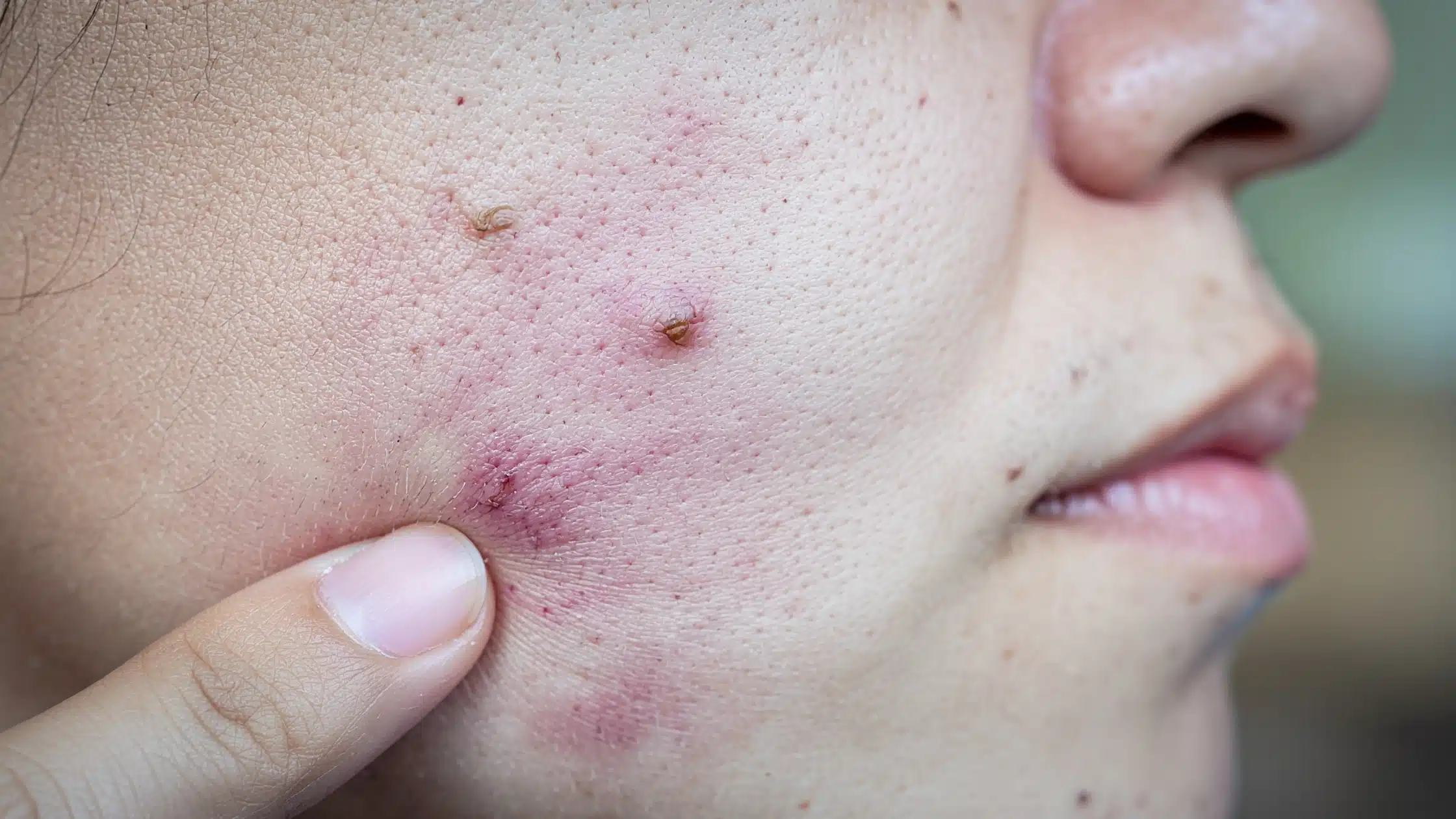
Common Types of Pimples on Face
Not every pimple is the same. Understanding the type matters because different pimples need different care.
- WhiteheadsSmall closed bumps that form when a pore is blocked under the skin
- BlackheadsOpen clogged pores that look dark because trapped material reacts with air — not because the skin is dirty
- PapulesSmall red or pink bumps that feel tender or inflamed
- PustulesPimples with visible pus — the ones many people feel tempted to squeeze (please don't!)
- NodulesLarger, painful bumps under the skin that can take longer to heal
- Cystic PimplesDeep, painful and inflamed — they may leave scars if not treated properly and often need professional treatment
Beautiful skin is not about perfection. It is about understanding your skin and caring for it with consistency.Pimples on Face Again — Why They Keep Coming Back and What Helps
Can You Remove Pimples Overnight?
Honestly, not completely. A pimple is inflammation inside the skin. It usually needs time to calm down. Some overnight methods may reduce swelling or redness, but they cannot magically cure the cause in one night.
What you can do is calm the skin. Apply ice wrapped in a clean cloth for a few minutes to reduce swelling. Use a hydrocolloid pimple patch for certain surface-level pimples. Apply a suitable spot treatment if your skin already tolerates it.
Avoid harsh quick fixes like toothpaste, lemon juice, baking soda or strong DIY mixtures. These can burn, irritate or damage the skin barrier. Fast does not always mean safe.
How to Stop Pimples Coming on Face
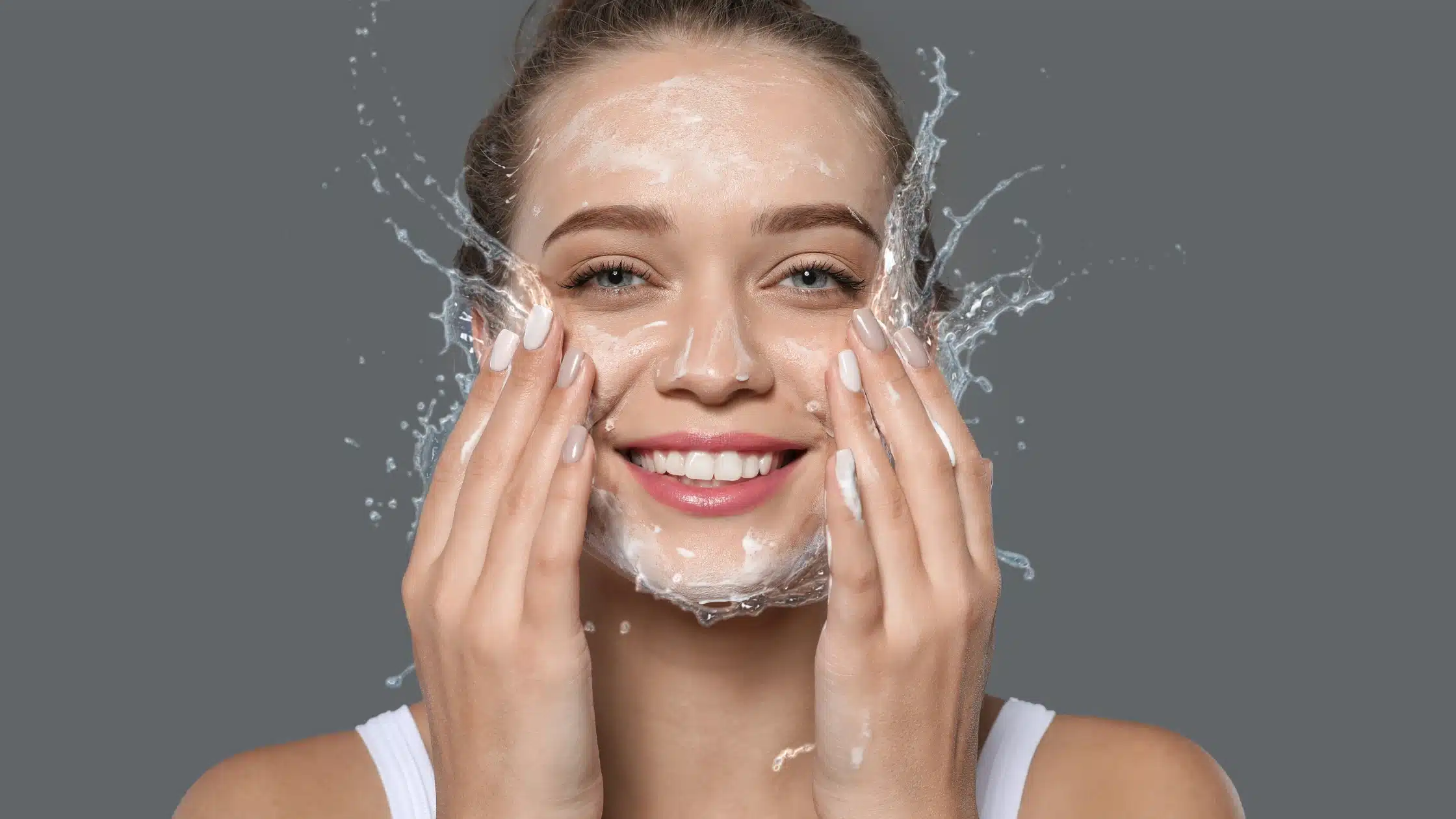
To stop pimples from coming again and again, you need consistency more than panic. Start with a gentle cleanser. Wash your face twice a day, especially after sweating. Do not scrub. Your skin is not dirty because it has pimples.
Use a light moisturiser. Many girls skip moisturiser because they think oily or pimple-prone skin does not need it. But dry, irritated skin can produce more discomfort and become harder to treat. Choose non-comedogenic products where possible. Introduce acne treatments slowly. And give your skin time — most acne routines need weeks, not days, to show real change.
Important Do-Nots for Pimples
For more help understanding breakouts and different skin concerns, read Satynmag's article on Breakouts: Dealing With Different Skin Conditions. You can also read Skincare Mistakes You Should Avoid: A Complete Guide if you feel your routine may be making things worse.
5 Ways to Get Rid of Recurring Pimples
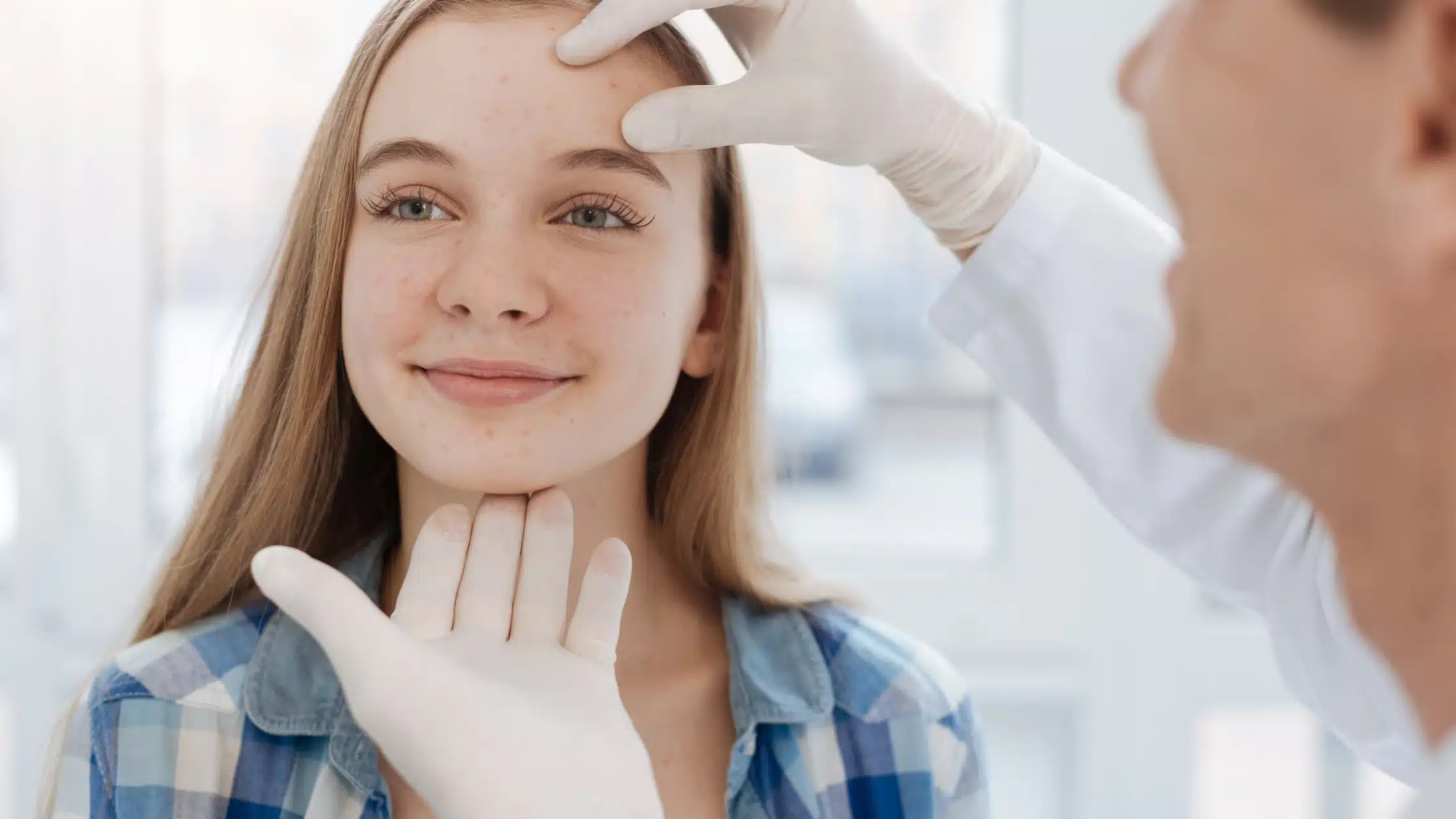
When Should You See a Dermatologist?
See a dermatologist if your pimples are painful, cystic, spreading, leaving dark marks or scars, or not improving after several weeks of consistent care. You should also seek medical advice if breakouts come with irregular periods, unwanted facial hair, sudden weight changes or severe oily skin, because hormonal causes may need attention.
Sometimes skincare products are not enough because the cause is happening inside the body. A proper diagnosis can save you months of frustration.
- Cleanse gently. Moisturise properly.
- Avoid squeezing. Use proven acne ingredients carefully.
- Be patient with results.
- If your pimples are painful or leaving marks, speak to a dermatologist instead of suffering silently.
- Beautiful skin is not about perfection. It is about understanding your skin and caring for it with consistency.
Pimples on Face can be annoying, emotional and confidence-shaking, especially when they keep coming back. But recurring pimples are not a sign that your skin is bad. They are often a sign that your pores, hormones, products, habits or stress levels need a calmer plan. Do not attack your skin. Work with it. And if your pimples are painful or leaving marks, speak to a dermatologist instead of suffering silently. Beautiful skin is not about perfection. It is about understanding your skin and caring for it with consistency.
Do not attack your skin. Work with it. Cleanse gently, moisturise properly and be patient.
For more fashion and beauty articles, visit Satynmag's Fashion & Beauty section.